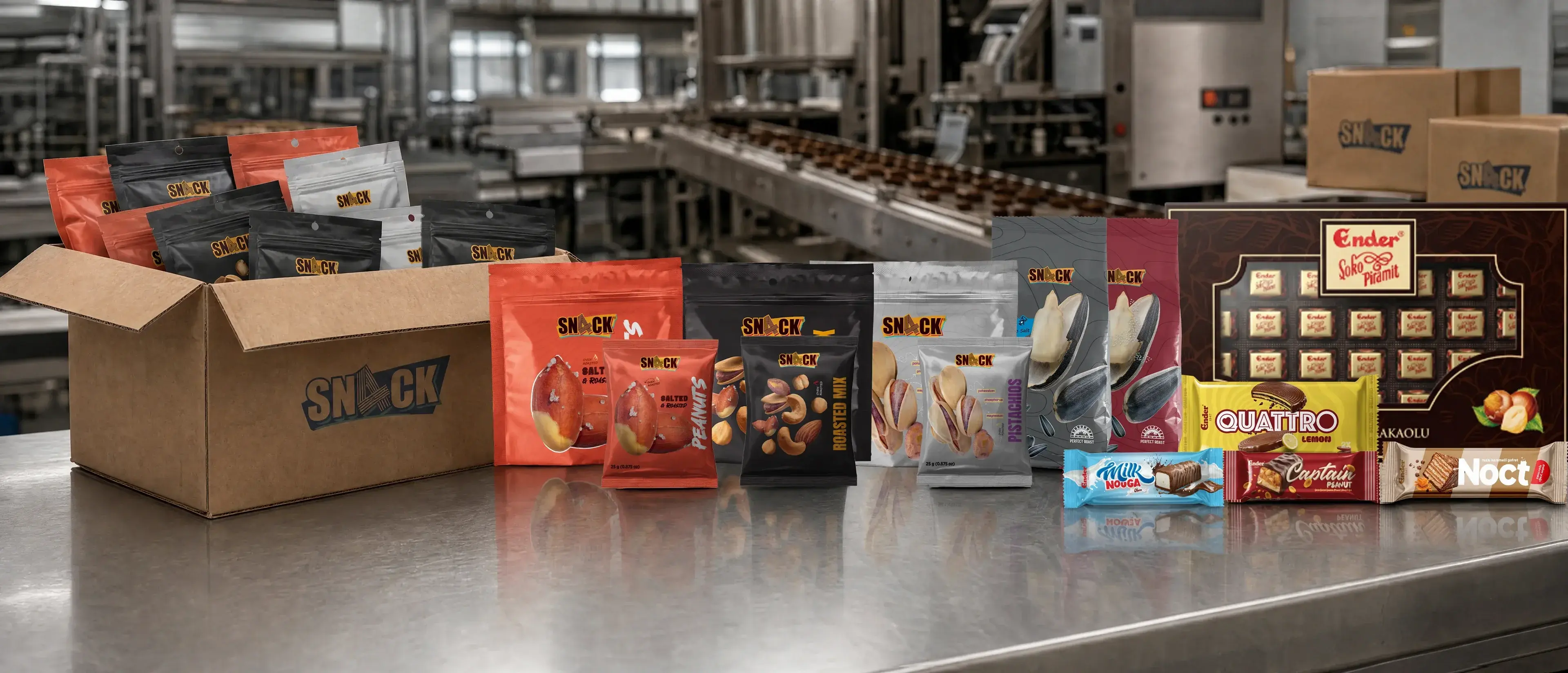
Private Label and Food Manufacturing Glossary
Short, plain definitions of the terms buyers meet when sourcing private label chocolate, bars and nuts.
Terms Every Private Label Buyer Meets
Plain definitions of 29 terms used in private label, OEM and export food manufacturing — business models, ordering and logistics, quality and certification, and chocolate and bar production.
Business models
Private label: a product made by a manufacturer and sold under a retailer's or brand's own name; the recipe is developed or adapted for that brand. See private label.
White label: a manufacturer's existing product sold under the buyer's brand, without recipe development. See white label.
OEM: production to the brand owner's own recipe and specification. See OEM and contract manufacturing.
Contract manufacturing (co-manufacturing): a manufacturer produces for another company under contract; often used as a synonym for OEM.
Co-packer: a contract manufacturer that produces and packs products for brands.
Distributor: a company that buys finished branded products and sells them in its market, for example our brand Ender Çikolata.
Ordering and logistics
MOQ (minimum order quantity): the smallest order a manufacturer accepts; at HHY GROUP, 100 cartons per SKU. See MOQ.
SKU: one product in one flavour, size and pack design.
Master carton: the outer shipping carton that holds the retail packs or display boxes.
Mixed container: one container carrying several SKUs or product types.
FCL / LCL: full container load (a whole container for one buyer) / less than container load (shared space).
EXW: ex works; the buyer collects the goods from the factory and handles transport.
FOB: free on board; the seller delivers the goods loaded on the vessel at the port of shipment.
CIF: cost, insurance and freight; the seller pays freight and insurance to the destination port.
Specification (spec sheet): the document that defines a product's recipe, quality limits, packaging and shelf life.
Quality and certification
BRCGS Food Safety: a GFSI-benchmarked food safety standard widely required by retailers; audits are graded. See our certifications.
IFS Food: a GFSI-benchmarked standard used especially by European retailers, with Foundation and Higher Level results.
ISO 22000: an international food safety management system standard.
HACCP: hazard analysis and critical control points, the basis of food safety control at each process step.
Halal / Kosher: religious certification of ingredients and production for Muslim and Jewish consumers. See Halal chocolate.
SEDEX / SMETA: an ethical trade platform and the audit method used to check labour, health and safety, environment and business ethics.
Rainforest Alliance: a certification for sustainably produced agricultural ingredients such as cocoa.
Lot code / traceability: the code linking each pack to its production batch, and the records that follow it back to raw materials.
Chocolate and bar production
Compound chocolate: a coating made with vegetable fats instead of cocoa butter; more heat tolerant and must be labelled accordingly.
Enrobing: coating a centre (wafer, bar, biscuit) with chocolate on a curtain line.
Moulding: depositing chocolate into moulds to make tablets, bars and filled shells.
Tempering: controlled heating and cooling that gives chocolate its snap and gloss.
Fat bloom: a grey, dusty surface caused by fat moving to the surface after temperature changes; safe but unattractive.
Water activity (aw): a measure of available water in a food; controlling it between layers protects texture and shelf life. See multi-layer protein bars.
Start Your Project
Partner with us for industrial-scale manufacturing, custom formulations, and reliable global supply lines under full NDA.
Related Capabilities
Discover our other production pillars and private label manufacturing services.
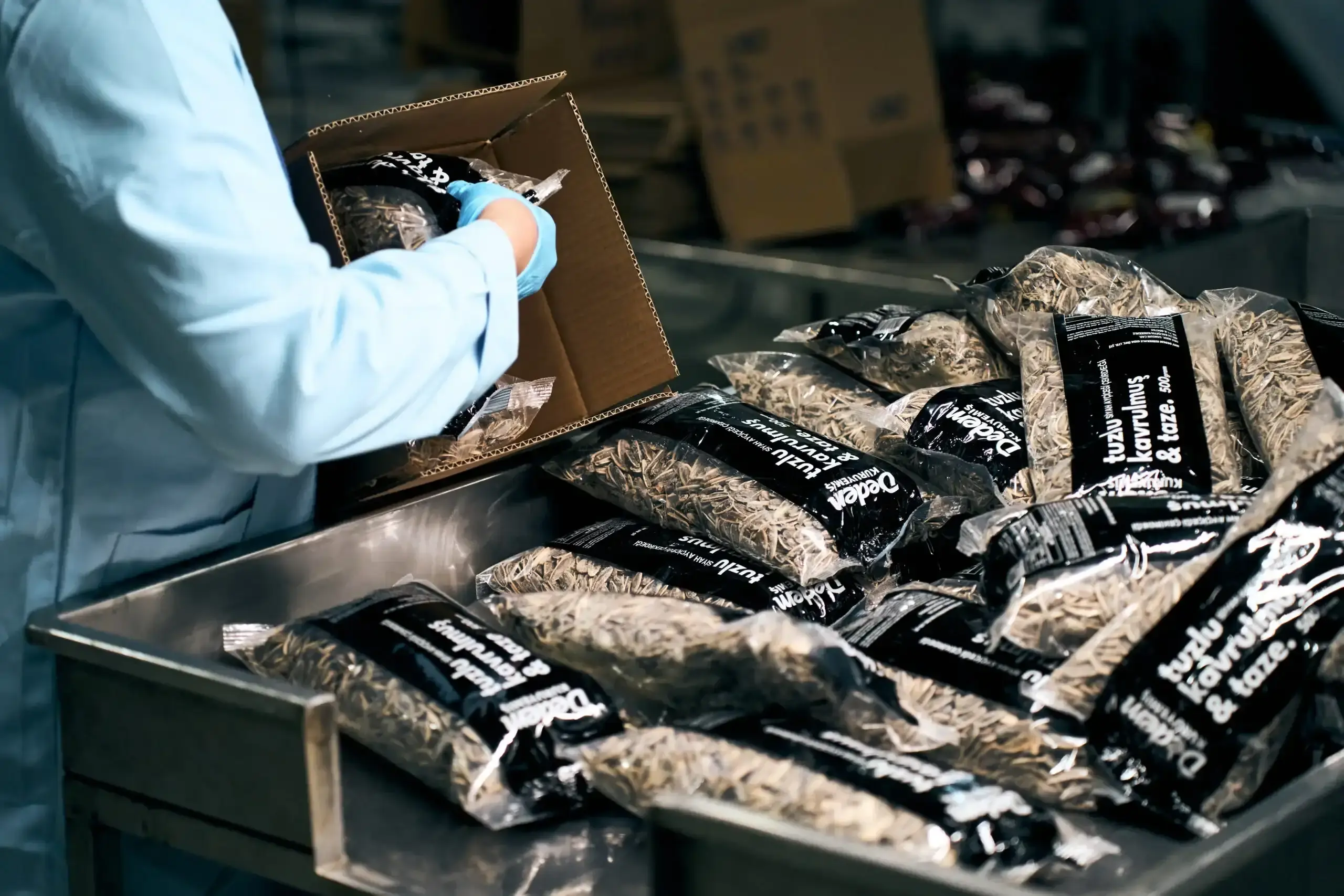
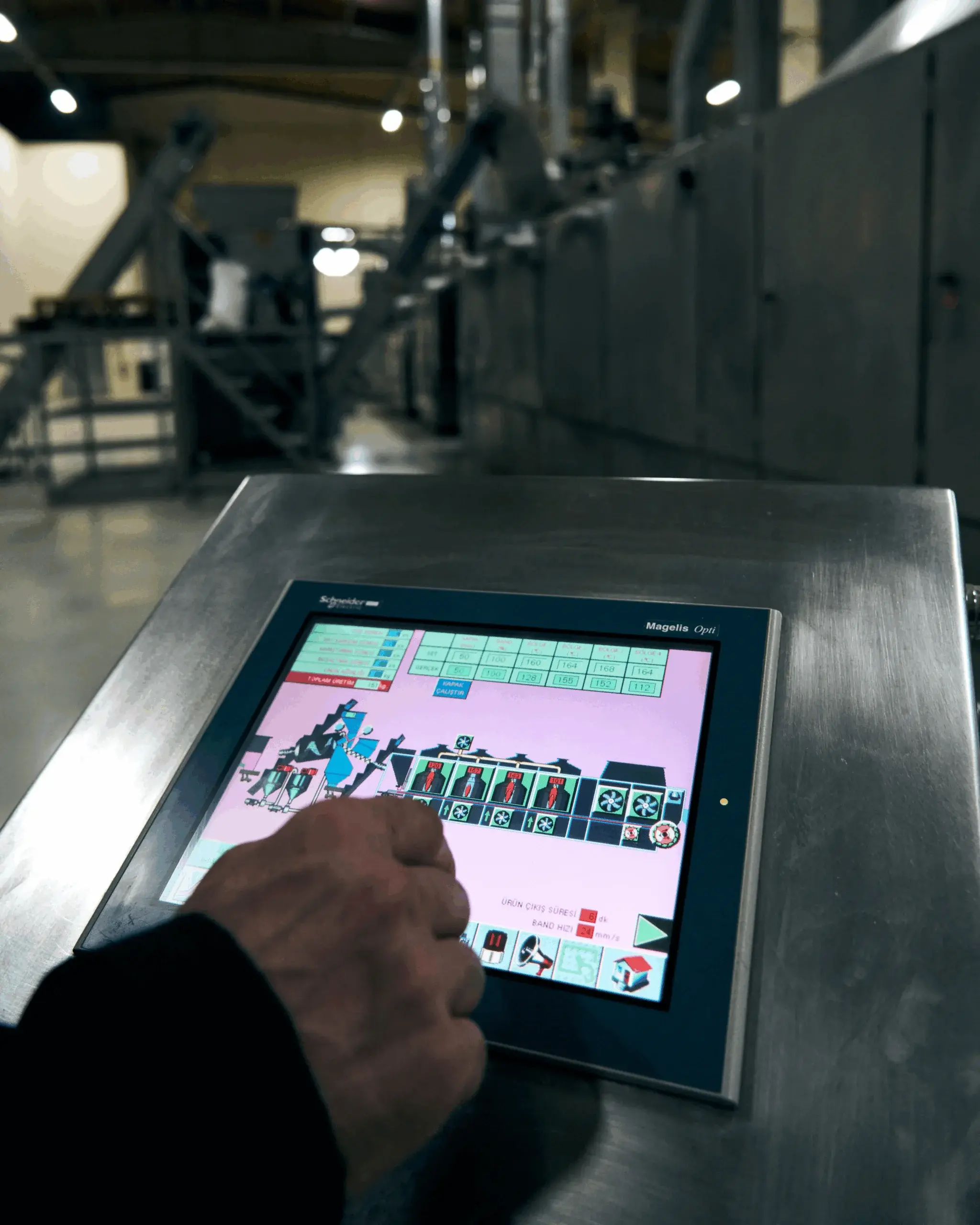
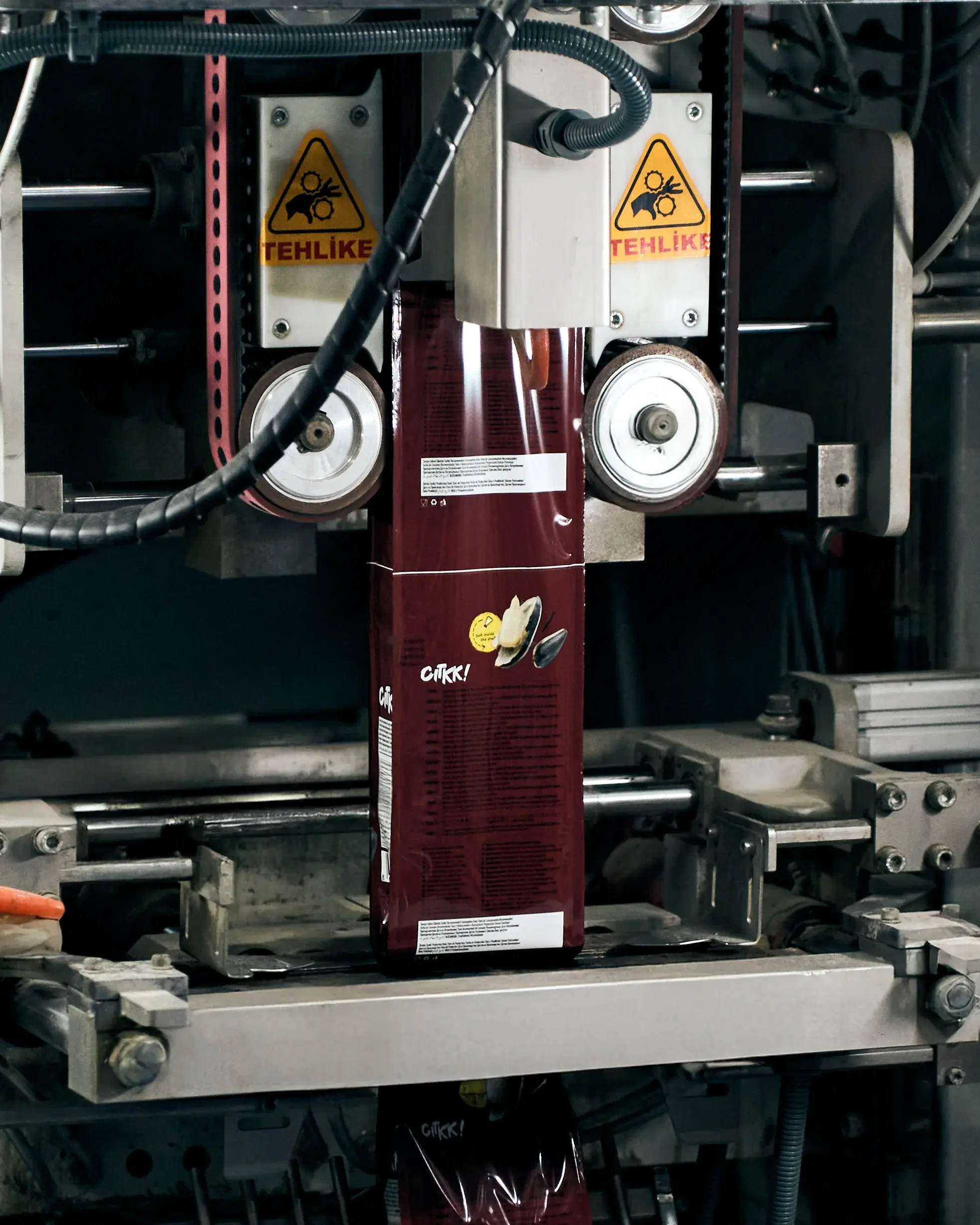
Production & Facility Moments
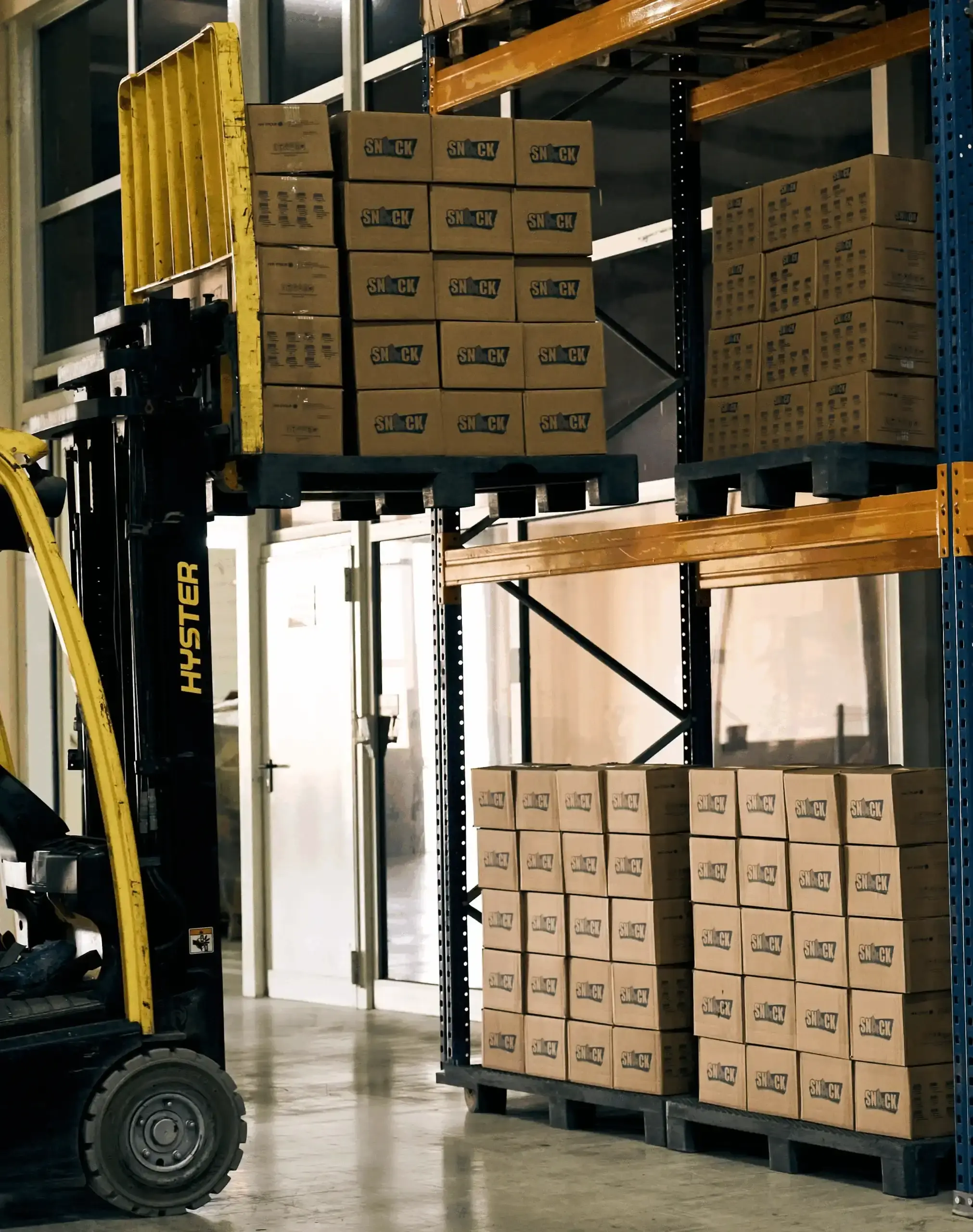
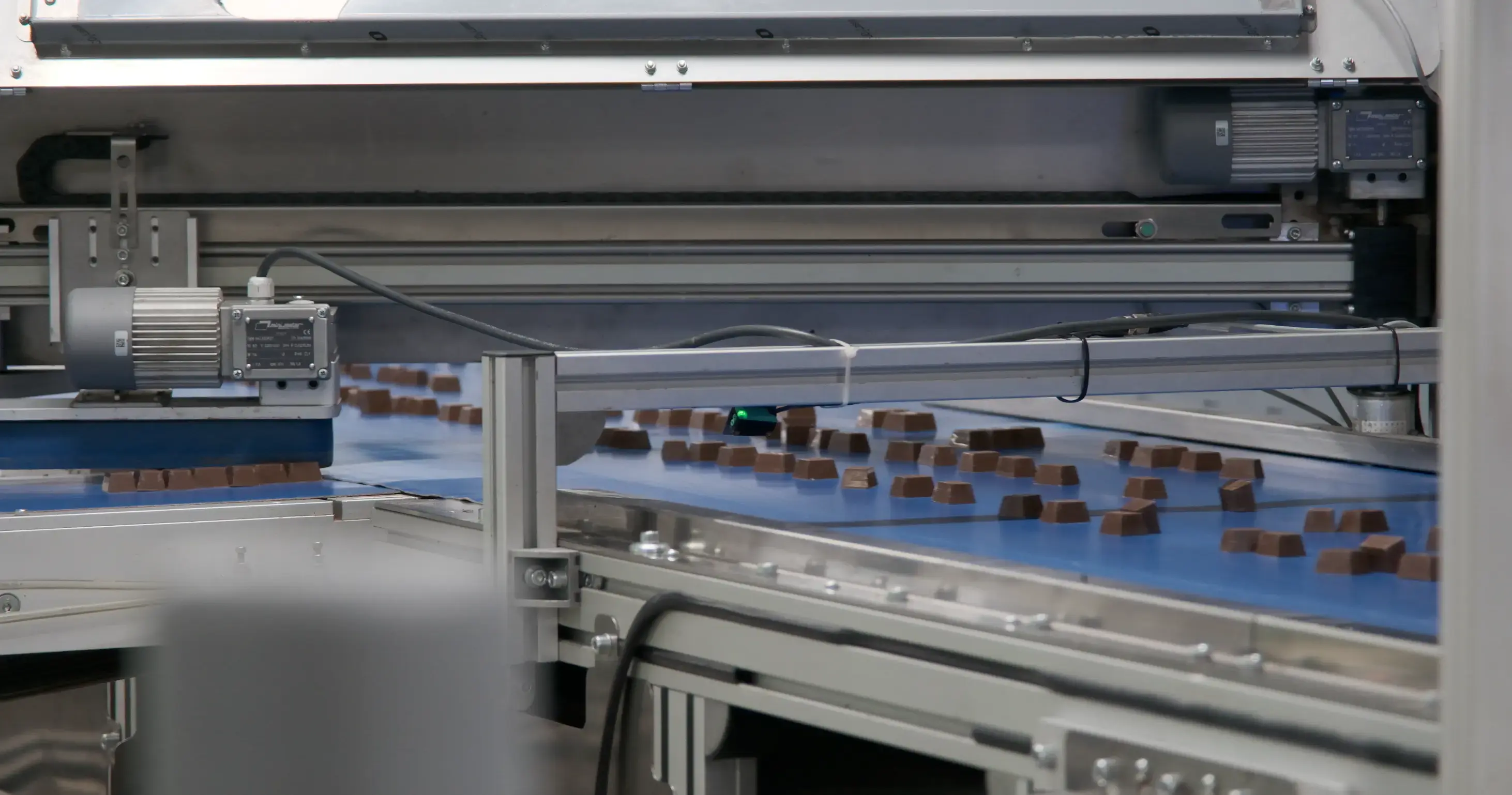
Take a closer look at our state-of-the-art production lines, machinery, raw material planning, and packaging processes in our facilities.


Frequently Asked Questions
Each question is answered with clarity, providing a valuable resource for anyone eager to understand the intricacies of our innovative solutions.